Comparing NYC Fashion Marketing Strategies: What Works Best?
New York City, a global fashion capital, is a bustling hub for innovative marketing strategies. Brands here are constantly vying for attention in a saturated market, utilizing various techniques to capture the hearts of consumers. But what truly works best in this dynamic environment?

Traditional Marketing: The Tried and True
Despite the digital age, traditional marketing still holds a significant place in NYC's fashion industry. Billboards in Times Square and ads in high-profile fashion magazines continue to reach a broad audience. These methods provide a sense of prestige and credibility, often associating brands with luxury and timelessness.
However, the high costs associated with these strategies can be prohibitive for smaller brands. The return on investment must be carefully weighed against the expenses, especially when digital alternatives offer more targeted reach.
Digital Marketing: The Power of Online Presence
Digital marketing has become a dominant force in NYC's fashion scene. Social media platforms like Instagram and TikTok offer brands the opportunity to engage directly with consumers. Influencer collaborations, in particular, help brands reach specific demographics and build authentic connections.
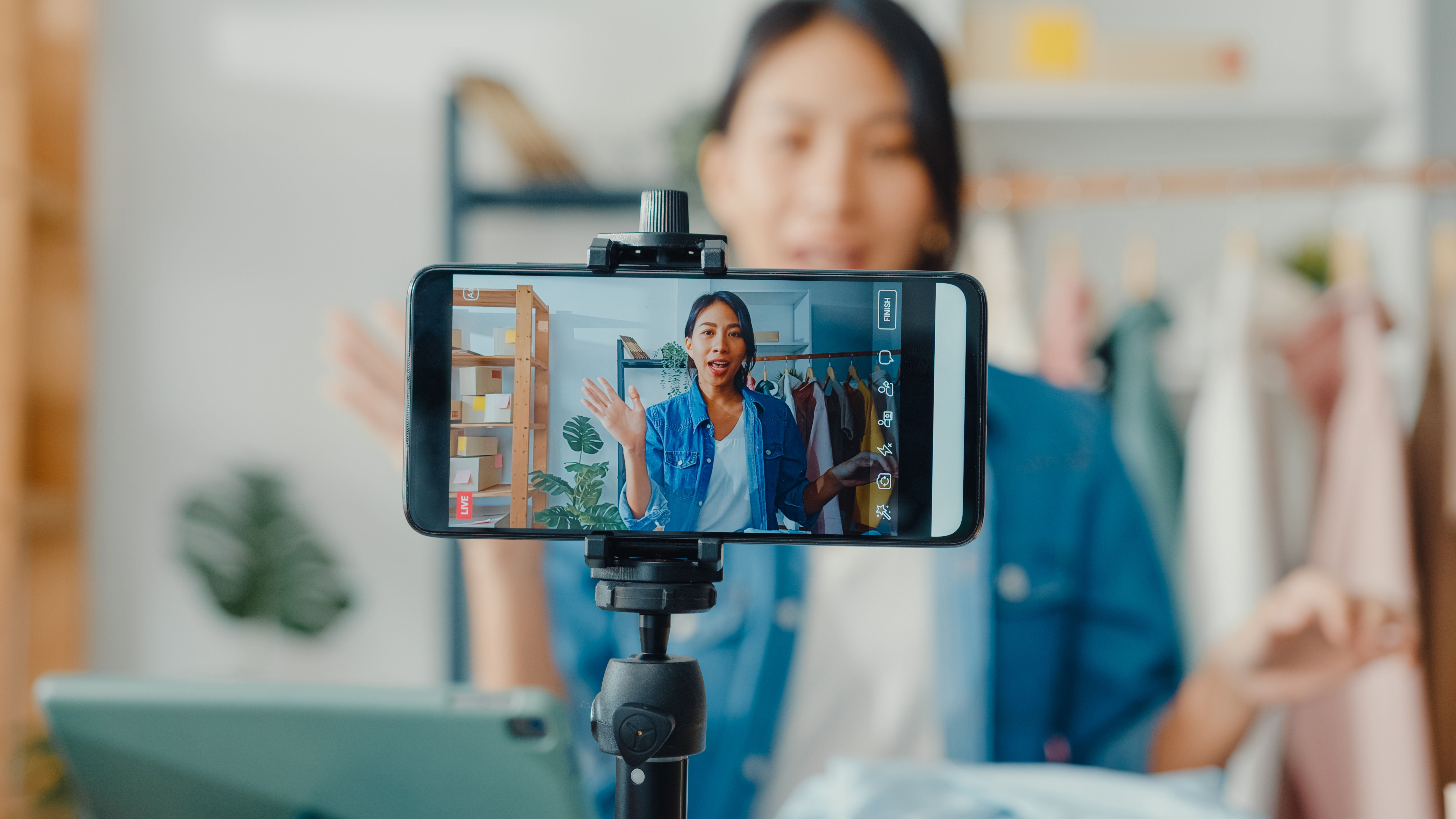
Moreover, search engine optimization (SEO) and pay-per-click (PPC) advertising ensure that brands appear in relevant searches, driving traffic to their websites. These strategies are often more cost-effective than traditional methods and provide measurable results.
Experiential Marketing: Engaging the Senses
Experiential marketing, which involves creating immersive brand experiences, is gaining traction in NYC. Pop-up shops, fashion shows, and interactive events allow consumers to engage with products in a memorable way. These experiences often create buzz on social media, amplifying their reach.
Brands that successfully implement experiential marketing often see increased brand loyalty and consumer engagement. However, these events require significant planning and resources, making them more feasible for well-established brands.

Data-Driven Strategies: The Role of Analytics
Data-driven marketing is an essential component of successful fashion campaigns in NYC. By analyzing consumer behavior and preferences, brands can tailor their strategies to better meet the needs of their target audience. This approach ensures that marketing efforts are not only effective but also efficient.
Many brands are investing in advanced analytics tools to gain insights into market trends and consumer behavior. This information guides product development, pricing strategies, and marketing campaigns.
Conclusion: Finding the Right Balance
The key to a successful fashion marketing strategy in NYC lies in finding the right balance between traditional, digital, experiential, and data-driven approaches. Each method has its strengths and can be leveraged to target different aspects of the consumer journey.
Ultimately, what works best depends on the brand's goals, budget, and target audience. By staying adaptable and innovative, fashion brands in NYC can navigate this competitive landscape and achieve lasting success.