First Impressions: What Your Style Says About You


Understanding the Power of First Impressions
First impressions are formed within seconds, and your style plays a crucial role in how others perceive you. Whether you're meeting someone for the first time in a professional setting or making a new friend, your appearance can communicate a lot about your personality and values. Understanding what your style says about you can help you make conscious choices that align with the image you want to project.
The Psychology Behind First Impressions
Our brains are wired to make quick judgments based on visual cues. This instinctive response can be traced back to our evolutionary need to quickly assess situations and individuals. Your style, including clothing, grooming, and accessories, can signal various attributes such as trustworthiness, competence, and creativity. Being aware of these signals allows you to harness the power of first impressions to your advantage.
Clothing: More Than Just Fabric
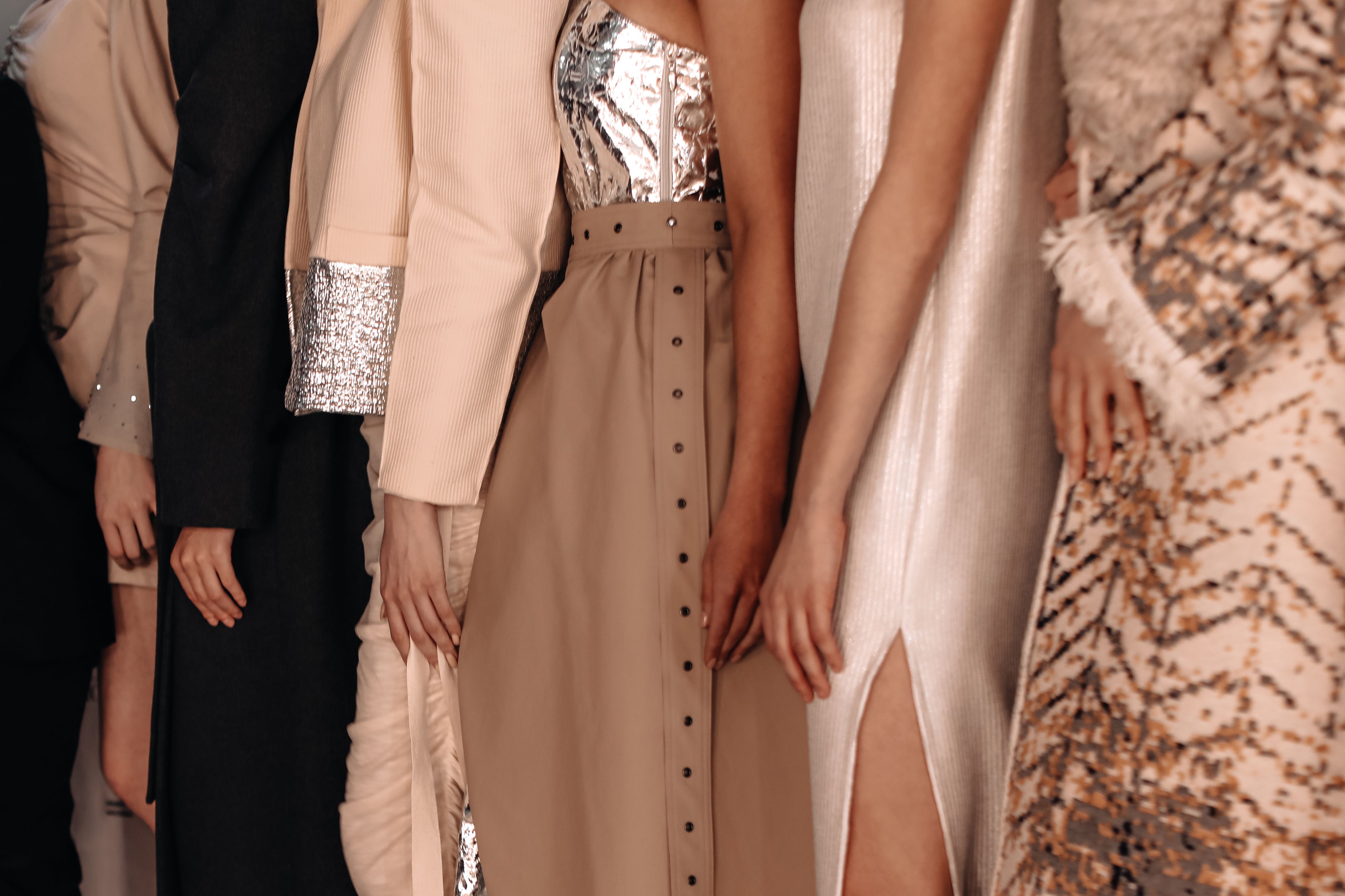
Clothing is often the first thing people notice. The colors, patterns, and fit of your attire can say a lot about your personality. For instance:
- Bright colors may indicate a lively and outgoing personality.
- Neutral tones often suggest professionalism and reliability.
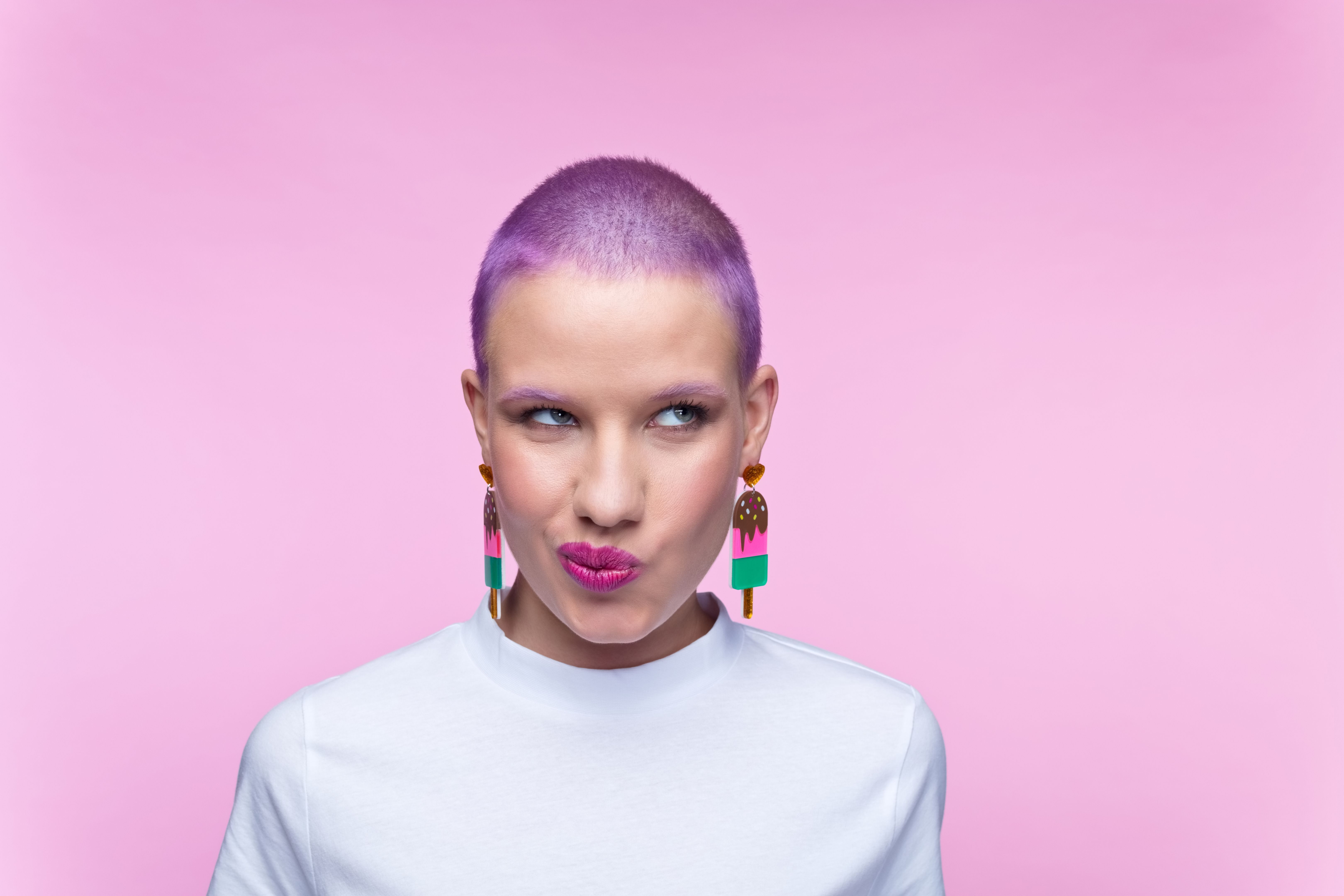
- Unique patterns or designs can reflect creativity and confidence.
Choosing the right clothing for the occasion not only boosts your confidence but also ensures you're communicating the right message.
Grooming and Personal Care
Your grooming habits also contribute to the impression you leave. Well-groomed individuals often appear more organized and attentive to detail. This can enhance perceptions of professionalism and reliability. Simple choices like a neat hairstyle, clean nails, and a fresh scent can make a significant difference in how you're perceived.
The Role of Accessories
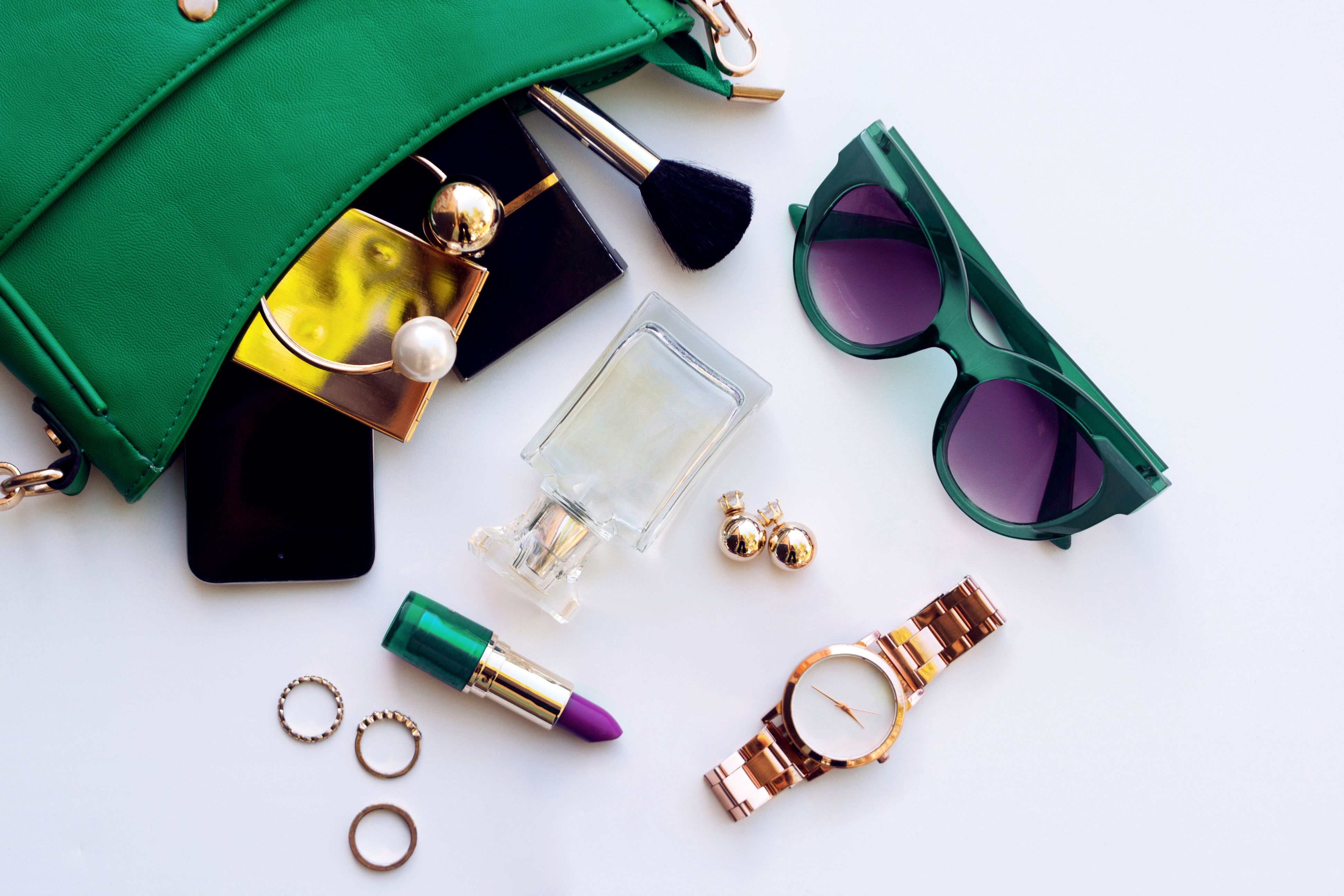
Accessories are the finishing touches that can elevate your style. They can introduce elements of your personality that your clothing might not convey. Whether it's a bold watch, a delicate necklace, or a statement bag, accessories can highlight your attention to detail and personal flair. However, balance is key; over-accessorizing can overwhelm your outfit and send mixed signals.
Adapting Your Style to Different Situations
One of the most important aspects of style is adaptability. Different situations call for different styles, and being able to adjust accordingly demonstrates social awareness and respect. For example, a job interview might require a more conservative look, while a casual gathering allows for more personal expression.
Building a Personal Style
Developing a personal style is an ongoing journey that involves experimentation and self-discovery. It's about finding what makes you feel confident and comfortable, while also considering the impression you want to make. Start by identifying key pieces that resonate with you and build from there. Remember, authenticity is attractive; staying true to yourself will always leave a lasting impression.
Conclusion: The Lasting Impact of First Impressions
First impressions are powerful and can shape the way people perceive and interact with you. By understanding what your style says about you, you can make intentional choices that reflect your true self and leave a positive impact. Your style is a form of self-expression, and when used thoughtfully, it can be a powerful tool in personal and professional interactions.